 ®
®Water & Wastewater
Corrosion-resistant drive solutions for agitators, scrapers and dosing systems in humid treatment environments.
Common drive tasks
- Submersible and top-entry agitators
- Bridge scrapers
- Dosing pumps and dosing drives
Common risks and concerns
- Humid and corrosive atmosphere
- Long continuous running
- Sealing and enclosure requirements
Recommended product types
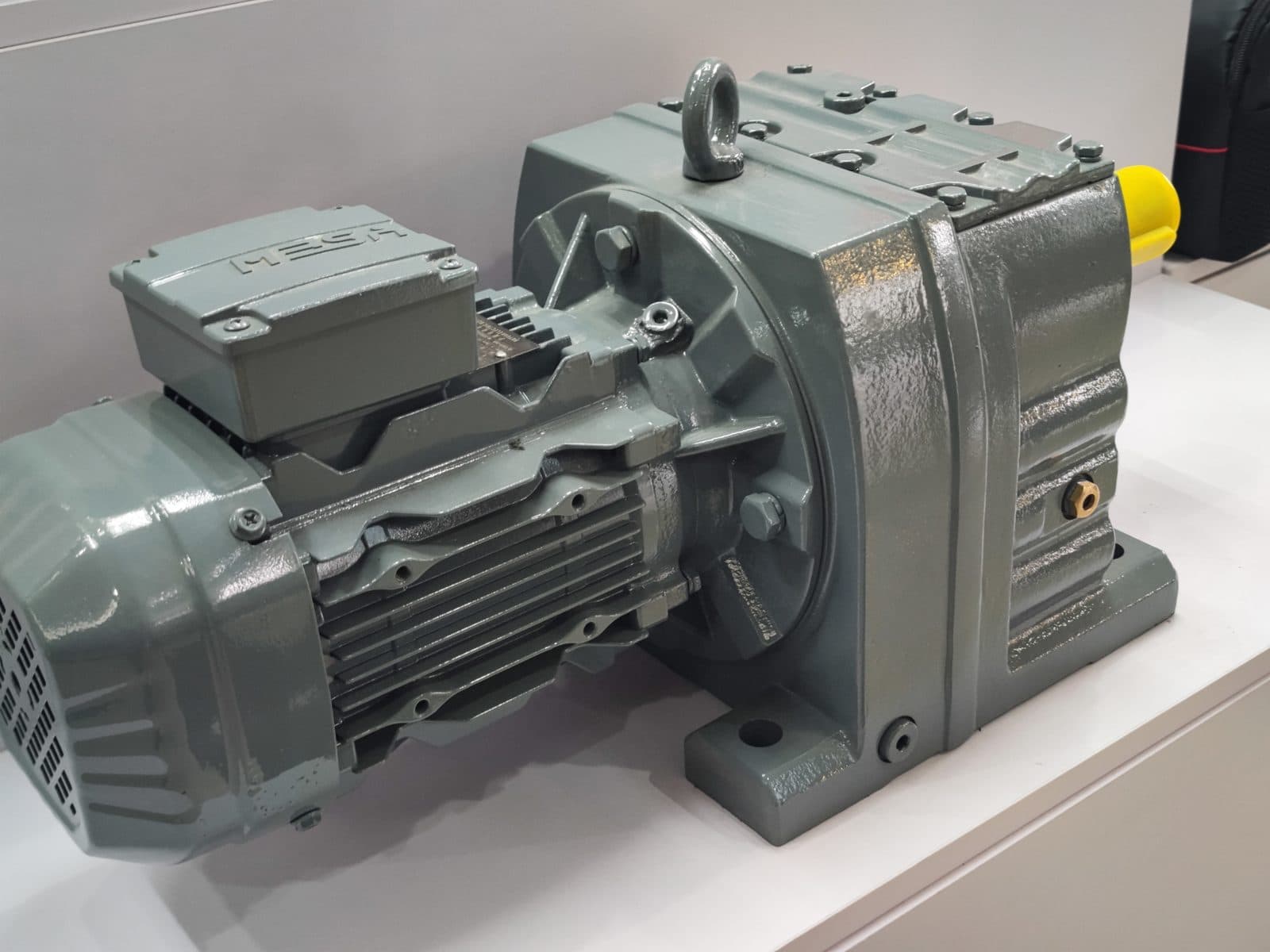
Modular Industrial Geared Motors
R, F, K and S series modular geared motors covering helical, parallel-shaft, helical-bevel and helical-worm configurations for general industrial drives.
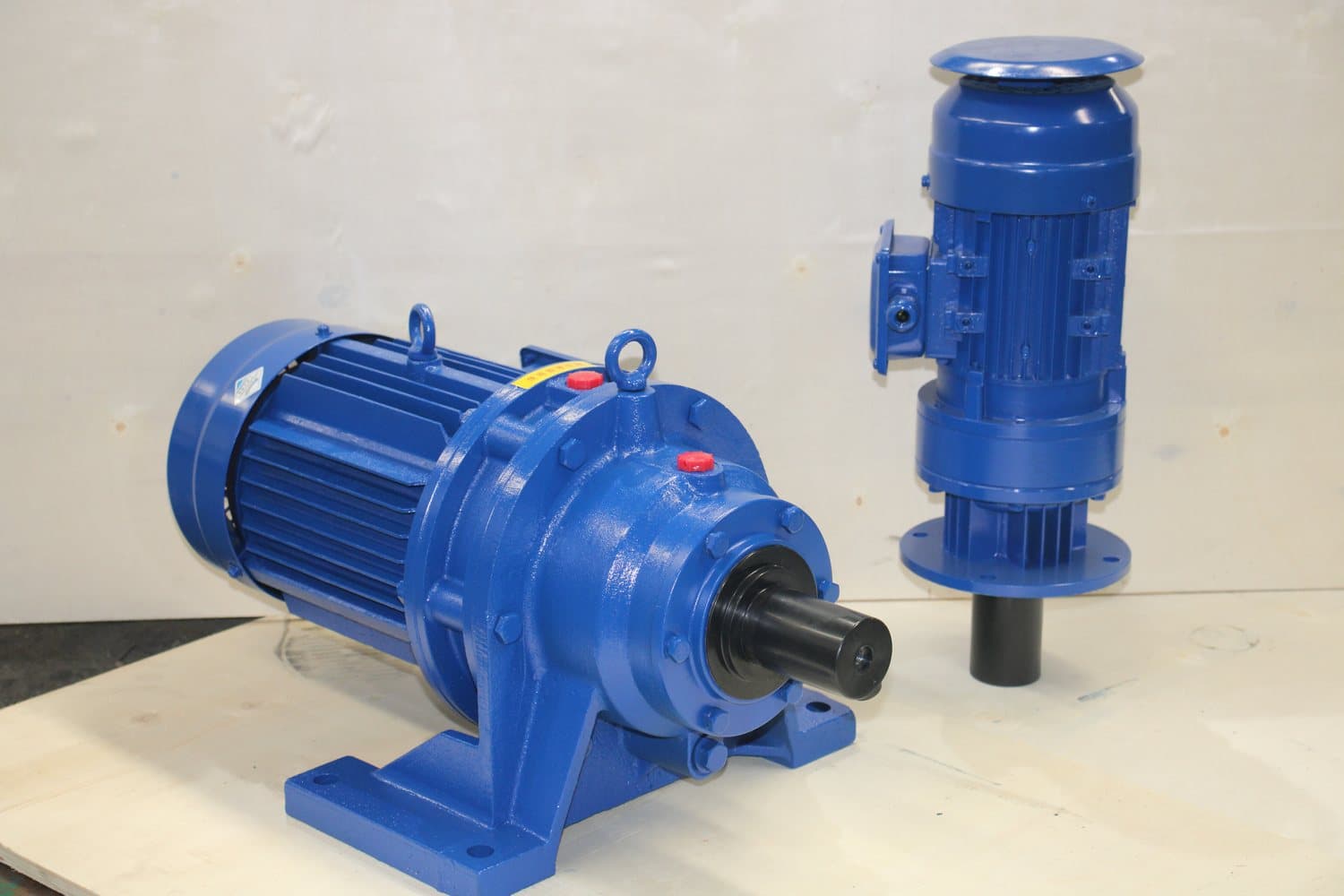
Cycloidal Reducers
X/B series cycloidal reducers and WB miniature cycloidal reducers for shock-resistant, high-ratio drives.
Selection factors
- Enclosure class (IP)
- Corrosion protection
- Duty cycle
- Impeller load
- Mounting position
Typical application points
- Wastewater agitators
- Scraper bridges
- Dosing systems
Customization available
- Enhanced sealing
- Corrosion-resistant coating
- Special enclosure classes
Submit your operating conditions
Please provide equipment type, motor power, input speed, required output speed, torque, operating hours, mounting arrangement and medium conditions for a selection recommendation.
Submit operating conditionsFrequently Asked Questions — Water & Wastewater
What gearbox fits a wastewater treatment agitator?
For municipal and industrial wastewater agitators, the standard selection is an R or F series helical geared motor with an agitator-specific mounting flange (vertical or angled), corrosion-resistant coating, and IP55 or higher enclosure. Match the agitator shaft diameter, the impeller type and diameter, the medium viscosity, and the operating hours. For high-solid or sludge applications, an industrial agitator drive with reinforced bearings is recommended.
How often should oil be changed in an agitator-drive gearbox?
Under typical ambient conditions with mineral oil, the first oil change is recommended after 300–500 operating hours (running-in period), then every 4000–6000 hours or 12 months, whichever comes first. In harsh environments (high humidity, dusty, corrosive, or high-temperature), shorten the interval to every 2000–3000 hours or 6 months. Always check oil condition (color, smell, water content) and replace the breather during oil changes.